
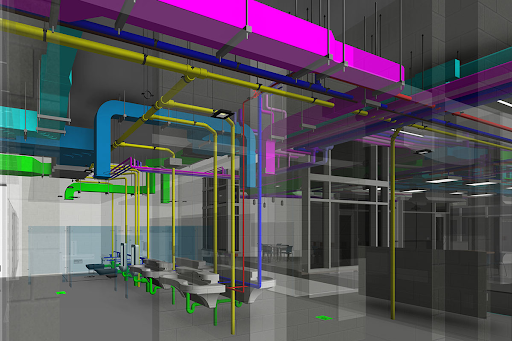
Construction projects have become more complex in the United States. Teams juggle multiple disciplines, tight schedules, and strict quality standards. Any miscommunication can delay projects and increase costs. To solve this, many companies now rely on modern modeling techniques that streamline planning and coordination.
Using digital models, teams can visualize the project in detail before construction begins. This approach reduces errors, improves communication, and keeps projects on track. In particular, professional bim coordination services help teams integrate designs, track updates, and spot potential conflicts early. It’s a game-changer for large-scale construction.
By adopting these tools, teams don’t just see 2D plans. They can explore 3D representations of buildings, identify problem areas, and make adjustments in real-time. The clarity reduces confusion and ensures everyone from architects to contractors stays on the same page.
The Benefits of Digital Modeling
Modern modeling improves communication. Instead of sending endless emails or attending repeated meetings, teams collaborate within a single, organized model. This saves time and ensures everyone works with the most accurate information.
Digital models also provide transparency. Every team member can see updates, revisions, and design changes. That visibility strengthens trust, reduces errors, and prevents costly delays. In the United States, where building codes vary regionally, this clarity is especially valuable.
Another major benefit is conflict detection. Systems can highlight clashes between plumbing, electrical, and structural elements. Resolving these issues in the model saves time and money during construction. Teams can focus on solutions instead of firefighting problems on-site.
How Teams Coordinate Effectively
Coordination is key to any construction project. Modern modeling techniques allow teams to assign responsibilities clearly. Everyone knows what to check and when. By centralizing information, teams reduce misunderstandings and stay efficient.
Teams can also simulate construction sequences digitally. They see how materials and equipment will interact, which helps plan work more effectively. For example, if a structural beam conflicts with a duct path, it can be addressed immediately. Early detection prevents rework.
The use of specialized bim coordination services ensures that all project stakeholders have access to accurate models. That includes architects, engineers, contractors, and even project owners. With proper coordination, construction flows smoothly, schedules stay intact, and budgets remain predictable.
Practical Digital Modeling Tips
Here are some practical ways teams can improve coordination using modern modeling techniques:
- Centralize your data: Store all models and drawings in a shared system.
- Set clear roles: Assign responsibilities for model updates and approvals.
- Regularly review clashes: Check for conflicts weekly or bi-weekly.
- Keep models organized: Use naming conventions and version control.
- Invest in training: Ensure team members know how to use tools efficiently.
- Communicate changes: Notify all relevant parties when updates occur.
- Use visualization: Walk stakeholders through 3D models to ensure understanding.
- Document decisions: Keep a record of design choices for accountability.
Following these steps helps projects stay organized, reduces errors, and improves collaboration. Teams in the United States have found these practices especially helpful for complex projects with tight deadlines.
Structural Considerations and Modeling
When working on foundations, understanding material placement is critical. Modern modeling allows engineers to plan exactly where rebar in concrete footings should go. Accurate digital layouts reduce mistakes during installation and ensure structural integrity.
Teams can simulate concrete pours digitally, identify potential weak points, and coordinate with rebar placement. That way, issues are addressed before they affect the actual build. Proper modeling ensures that the concrete and reinforcement work together as designed.
Engineers can also analyze load distribution and spacing requirements in the model. These insights help contractors execute work accurately, reducing delays and enhancing safety. Projects with detailed reinforcement planning see fewer errors on-site.
Improving Efficiency with Automation
Automation is another advantage of modern modeling. Software tools can flag design conflicts, check compliance with codes, and suggest corrections automatically. Teams no longer need to manually compare plans, saving valuable time.
By integrating digital models with project schedules, teams can also simulate construction sequences. They identify the most efficient workflow, plan material deliveries, and prevent bottlenecks. This type of proactive coordination increases productivity and keeps budgets under control.
Moreover, automation supports quality assurance. Teams can ensure that every element, from concrete footings to mechanical systems, meets the specifications set by engineers and architects. That level of precision is difficult to achieve without modern modeling tools.
Real-World Collaboration Benefits
In real-world projects, modern modeling techniques foster collaboration. Different disciplines structural, electrical, mechanical can work together in a single digital environment. This reduces misunderstandings and keeps everyone aligned.
Remote collaboration is also easier. Stakeholders in different cities or states can review models, leave comments, and track changes. For companies operating across the United States, this flexibility saves travel time and speeds up decision-making.
Additionally, digital models help teams plan for site logistics. They can visualize equipment placement, access routes, and safety zones before construction begins. This planning reduces downtime and improves site safety.
Selecting the Right Tools
Not all tools are created equal. Companies should choose software that fits their team’s size, project complexity, and workflow. Some tools excel in clash detection. Others provide advanced visualization. The right combination ensures efficiency and accuracy.
Experts often recommend consulting a trusted provider before committing to a platform. They can advise on the best features, integrations, and training programs. Using the right tools ensures projects remain smooth and manageable.
Teams should also focus on interoperability. Different disciplines often use different programs, so tools that integrate well are critical. Consistency across software reduces errors and improves collaboration.
Tips for Successful Project Coordination
- Define workflow early: Establish clear processes at the start.
- Use shared platforms: Ensure all stakeholders access the same models.
- Schedule regular check-ins: Address issues before they escalate.
- Monitor progress digitally: Track milestones using model data.
- Encourage feedback: Allow team members to suggest improvements.
- Document updates: Keep a complete log of changes for reference.
Following these tips maximizes the benefits of modern modeling techniques. Teams in the United States can complete projects faster, safer, and with fewer mistakes.
Final Thoughts
Modern modeling techniques have transformed project coordination. They reduce errors, improve collaboration, and enhance efficiency. By integrating accurate models, proactive clash detection, and automated workflows, construction teams can deliver high-quality projects consistently.
Whether planning residential renovations or large commercial builds in the United States, adopting digital modeling practices ensures clarity and predictability. Teams can make informed decisions, avoid costly delays, and improve overall project quality.
Digital modeling, combined with professional coordination support, is no longer optional. It is essential for teams seeking precise, efficient, and reliable results.
FAQ
1. Why are modern modeling techniques important?
They reduce errors, improve collaboration, and help teams make better decisions.
2. What role does rebar placement play in project coordination?
Accurate planning of rebar in concrete footings ensures structural integrity and prevents mistakes during construction.
3. Can small projects benefit from digital modeling?
Yes. Even small projects gain clarity, reduced errors, and better communication.
4. How do teams choose the right modeling tools?
Consider project size, workflow, integration with other tools, and training support.
5. Does modeling really save time and money?
Yes. Detecting conflicts early and improving planning reduces delays and costs.